Sanctuaries of the High Alpine Crest
At two thousand meters above sea level, architecture is not an ego exercise—it is a rigorous pact between timber, stone, and extreme weather.
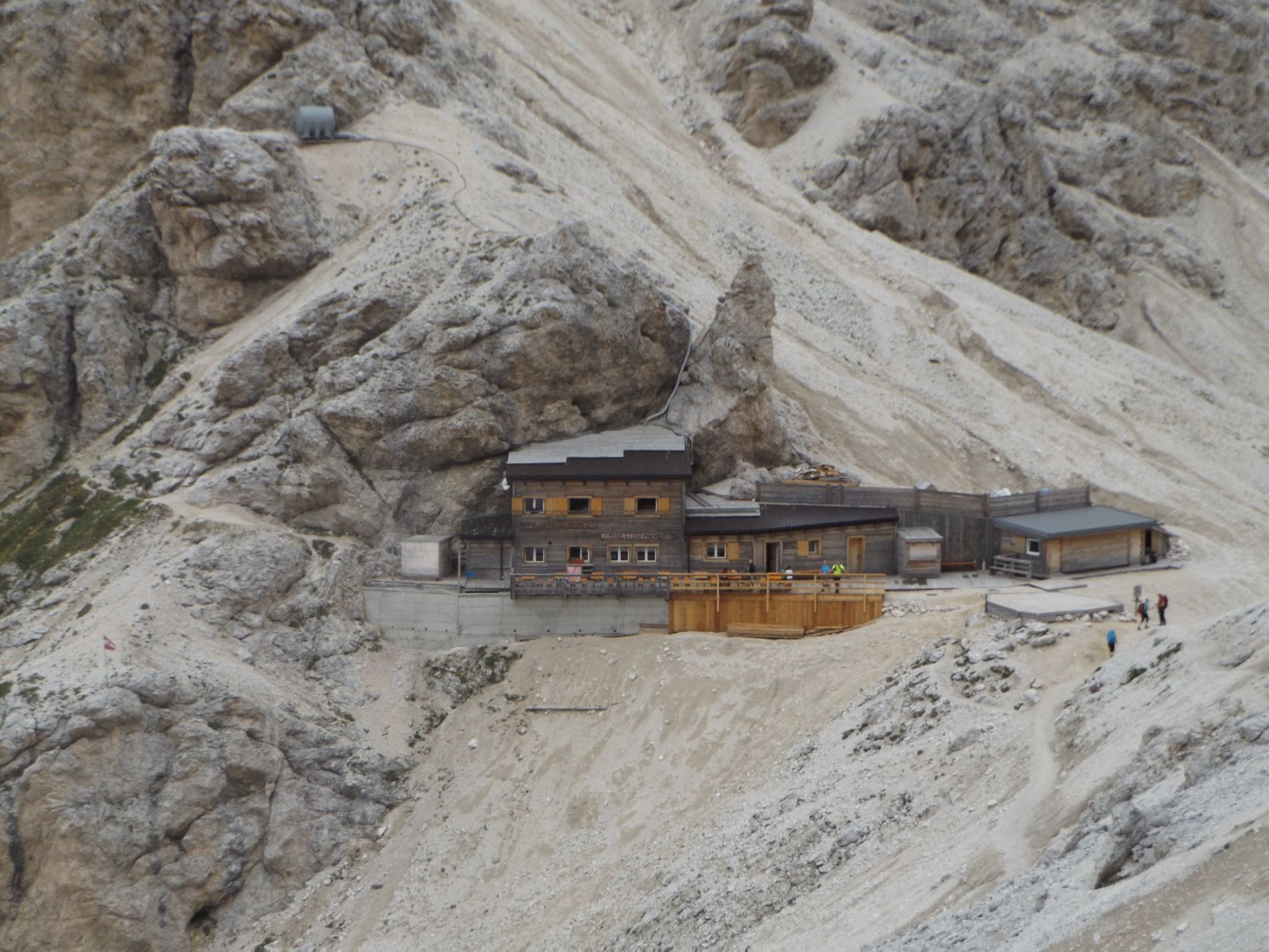
Climbing the final ridgeline toward the Austrian-Slovenian border, the air grows thin and sharply aromatic with dried juniper and cold limestone dust. Suddenly, through the crest of a ridge, the angular silhouette of an alpine refuge appears. Anchored directly into solid bedrock with steel cables, its cedar shingles have weathered into a silvery patina that mirrors the surrounding cliffs.
The Purpose-Built Simplicity of High Refuges
Modern travelers accustomed to five-star urban opulence are often transformed by the restorative discipline of an alpine hut. Here, luxuries are redefined: fresh spring water piped from a glacier tongue, hot barley soup served in heavy ceramic bowls, and wool blankets that carry the faint scent of woodsmoke. There is no Wi-Fi, and therefore conversations at the long pine tables carry rare continuity.
“Altitude strips away modern trivia. When sunset ignites the jagged limestone needles in deep rose-gold, the entire room falls into spontaneous, respectful silence.”
Mindful Mountaineering as Meditation
Ascending these trails requires rhythm: step, breath, pole strike, breath. There is no rush, because in the high mountains haste invites hazard. By focusing entirely on foot placement across scree fields and observing hardy alpine edelweiss blooming in rock fractures, the mind enters a state of serene clarity impossible to achieve in connected metropolitan centers.
As dawn breaks the following morning, sweeping mist down into the lower valleys, you lace your leather boots with renewed lightness. The mountain does not care about deadlines, social status, or titles. It merely offers presence.
Begin Your Alpine Journey
Explore our vetted network of historic high-altitude refuges and sustainable mountain guides across Europe.
Design an Alpine Route